
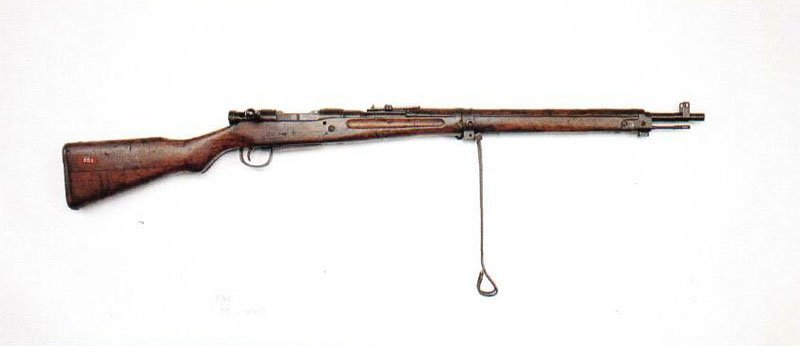
Japanese infantry rifle Type 38 Ariska from 1897 to World War II.
History, development, service, specifications and pictures.
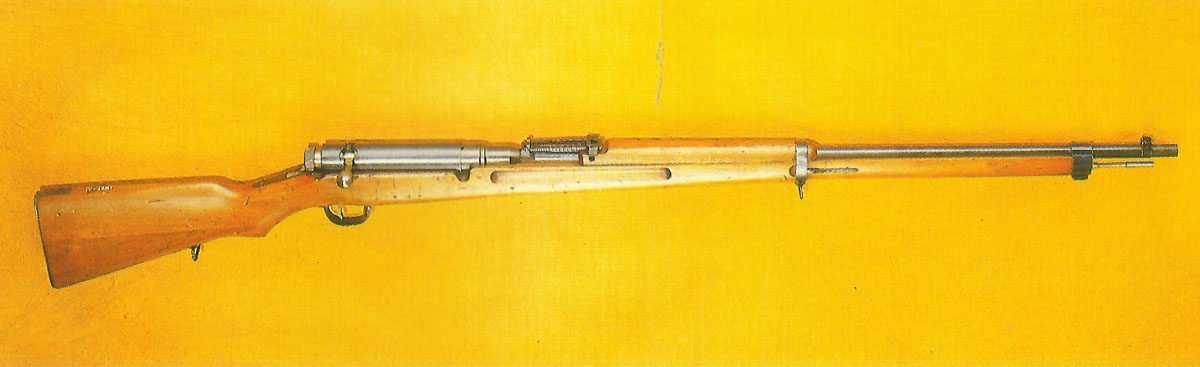
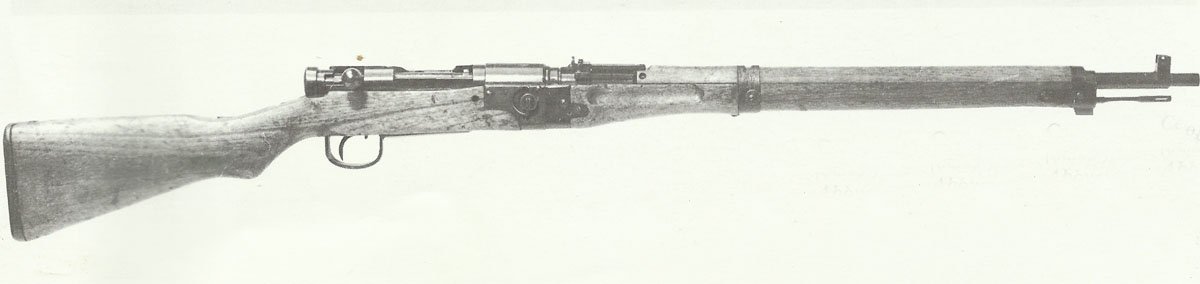
Japanese Ariska infantry rifle Type 38
Ariska rifle Type 38
Type: Infantry rifle.

Overview
The Arisaka rifle was the standard service rifle of Japan from the late 19th century through World War II. Named after Colonel Nariakira Arisaka, who helped design the original model, these rifles became some of the most widely produced Japanese firearms in history.
Key Models
- Type 30 (1897):
– First Arisaka service rifle
– Chambered in 6.5×50mmSR Arisaka
– Used during the Russo‑Japanese War (1904–1905) - Type 38 (1905):
– Improved version of the Type 30
– Also chambered in 6.5×50mmSR
– Known for reliability and strong construction
– Used extensively in WWII - Type 99 (1939):
– Chambered in the more powerful 7.7×58mm Arisaka
– Featured anti-aircraft rear sight wings (on early models)
– Chrome-lined barrel (early production)
– Saw widespread use during WWII

Strength & Design
The Arisaka action is often regarded as one of the strongest bolt-action designs of its era. Some firearms experts have even suggested it was stronger than the German Mauser 98 action.
Features included:
– Large bolt with dual locking lugs
– Full-length stock
– Internal 5-round magazine
– Long rifle configuration (earlier models)
WWII and “Last Ditch” Rifles
As WWII progressed and resources became scarce, Japan produced simplified versions of the Type 99 often called “last ditch” Arisakas. These rifles:
– Had crude finishing
– Lacked chrome lining
– Omitted certain features like anti-aircraft sights
– Sometimes had wooden buttplates instead of metal
Despite rough appearance, many were still functional.
Post-War Use & Collectibility
After WWII:
– Many Arisaka rifles were brought back to the U.S. by soldiers as war souvenirs.
– Some were re-chambered to other calibers.
– Rifles with the intact Imperial chrysanthemum (“mum”) crest are especially collectible, as many were ground off after Japan’s surrender.
Today, Arisaka rifles are:
– Popular among military surplus collectors
– Studied for their strong action design
– Appreciated as historical WWII artifacts
History
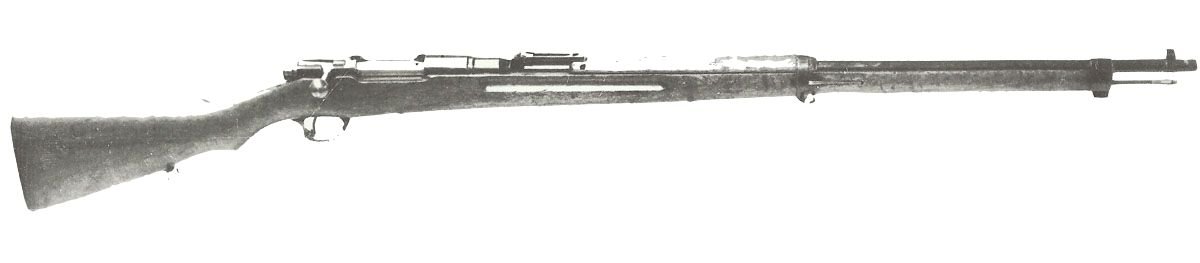
When the Japanese Army, like many others, decided to introduce a magazine rifle, it came to the realization that the Mauser system was the best solution. But like some other armed forces, they preferred their own product and had some other ideas about what makes a good rifle. So they took Mauser as a starting point and developed their own version.
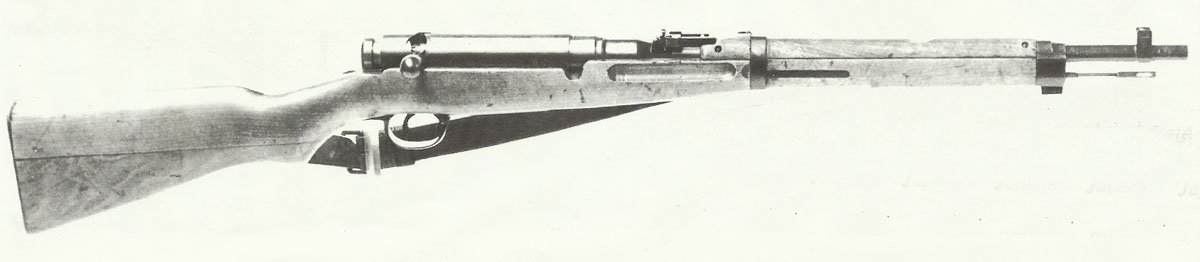
An unusual addition, which is only rarely available in preserved specimens, was a sheet metal cover, which worked together with the bolt and prevented rainwater or dust from entering the mechanism. While this functioned as intended, as with most other such devices of a similar nature, it was threadbare and tended to rattle at the most adverse moments, indicating the position of the wearer of the weapon. So most of these covers were ‘lost in action’ at the first opportunity.
The 6.5 mm caliber was adapted to the smaller stature of the Japanese soldiers, and the 50.25 inch rifle’s length should increase its range in bayonet combat. This makes the rifle quite unwieldy.
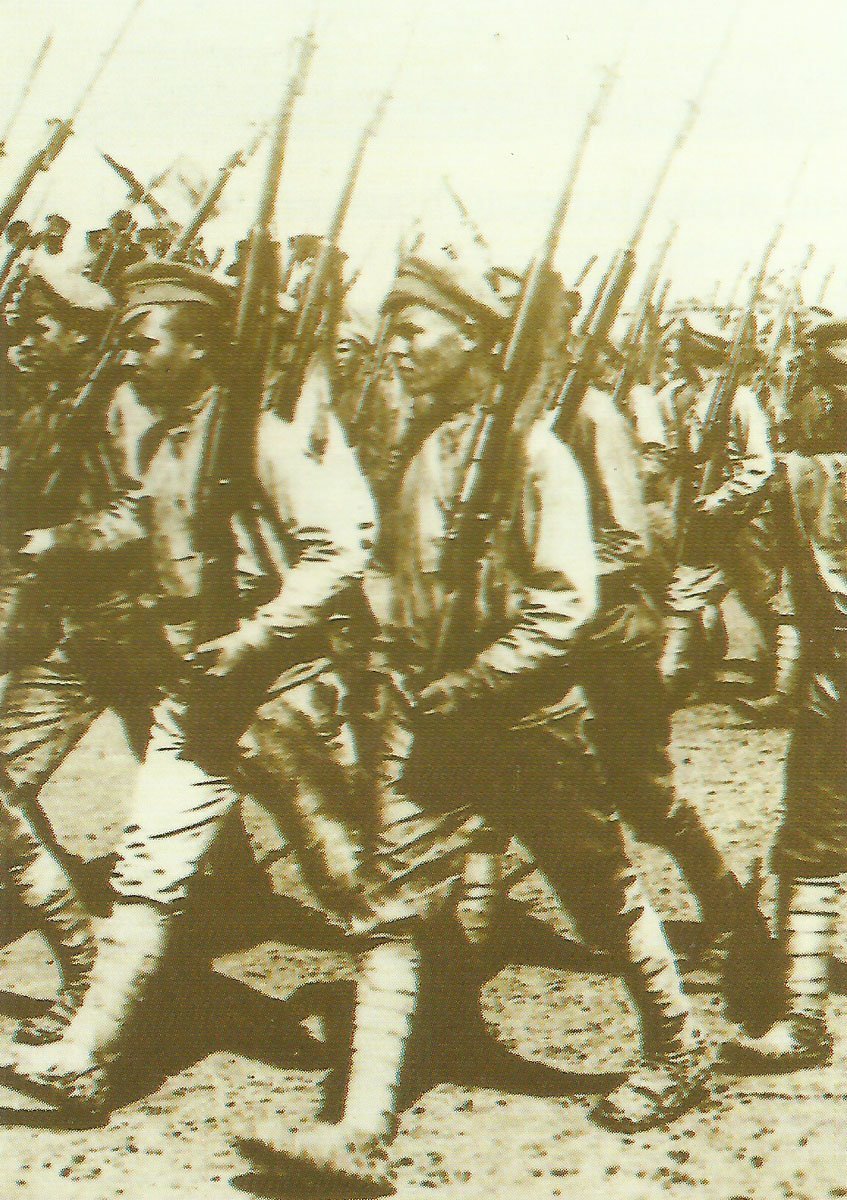
The Ariska rifle was also exported to Thailand and used by the troops of various warlords in China. During the First World War Britain purchased 500,000 Ariska rifles for the Royal Navy and training purposes. Russia used 763,000 pieces of the models of 1897 and 1905 for units on the northern front. In Mexico, the rifle was adopted with caliber 7 mm in 1913.
Like the Italians, the Japanese also came to the realization that their older 6.5 mm caliber was not efficient enough and therefore developed a new 7.7 mm cartridge in the 1930s as a replacement. As a logical consequence, a rifle had to be developed which could fire this cartridge. This was no more than a caliber-drilled Model 38 as Type 99. It had some other questionable new features, such as a special visor for shooting on low-level planes, but this affected the weapon’s rate of fire.
However, few of the new rifles reached the hands of the troops and the Japanese were no more successful than the Italians in the change of caliber, which was mainly due to production difficulties.
As a result, the 6.5 mm cartridge with the associated rifle remained the Japanese standard during World War II. The Model 38 became one of Japan’s most famous and well-known infantry weapons.
After the Pacific War was in full swing in 1942, the production standard for the Japanese Ariska rifles and carbines dropped quickly. Each part of the weapon, which was not necessarily needed, fell by the wayside during the production process. This went so far that due to the Allied sea and air blockade, some rifles manufactured at the end of the war had to be built with poor quality wood and metal, making them more dangerous to the shooter than his target. In the end, even single-shot weapons were built with 8 mm pistol cartridges.
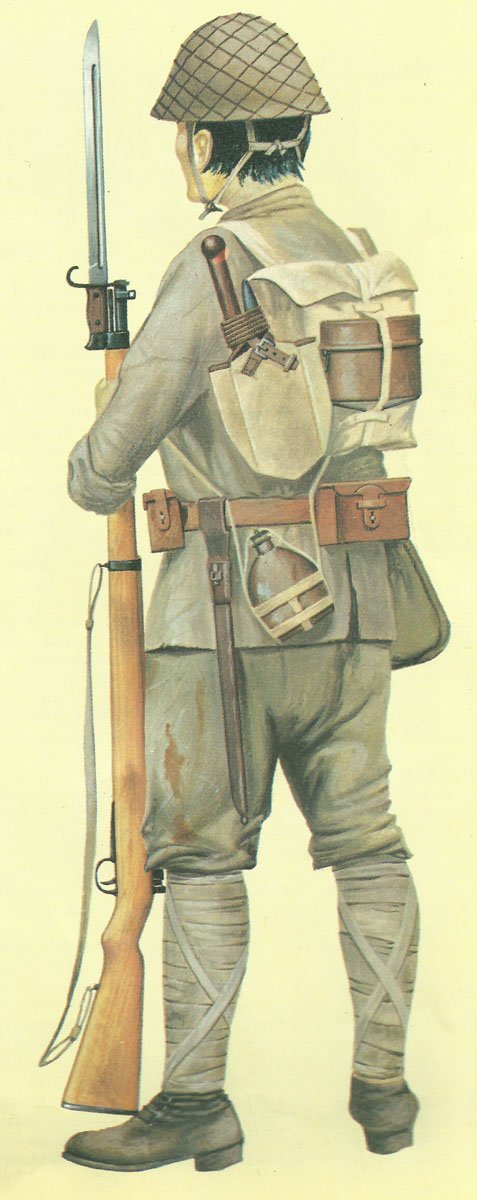
Variants
Carbine M1938: Allegedly made for cavalrymen and artillerymen, this model was also used by Japanese infantry, who even preferred it to the standard rifle because of it’s about a foot shorter length and a half a pound lighter weight. The mechanism of the weapon was the same as the long rifle. In addition, there was a foldable version for the parachute arm.
Sniper Rifle M97: This was the original Ariska rifle with an extra bipod and a low resolution scope on the left side of the rifle to allow reloading. The locking handle was folded down to prevent the shooter’s hand from contaminating the visor when the bolt was operated.
Specifications Ariska Rifle Meiji 38
Specifications:
Ariska Meiji 38 | specification |
|---|---|
Type | infantry rifle |
Caliber | 6.5 mm (Type 99: 7.7mm) |
Length | 50.25in (1.275m) |
Weight | 9.25lb (4.2kg; Type 99: 4.1kg) |
Barrel | 31.45 in long, 6 grooves, right hand twist |
Feed system | 5-round integral box magazine |
System of operation | Mauser turnbolt |
Muzzle velocity | 2,400 ft/sec (731m) |
Rate of fire | ? |
Effective range | ? |
Service statistics:
Ariska Meji 38 | specification |
|---|---|
Manufactures | State arsenals |
Production delivery | 1905 |
Final delivery | 1945 |
Production figure | ? |
Price per unit | ? |
References and literature
The Encyclopedia of Infantry Weapons of World War II (Ian V.Hogg)
Infanterie im 2. Weltkrieg (J.B.King, John Batchelor)
Illustriertes Lexikon der Waffen im 1. und 2. Weltkrieg (V. Dolinek, V. Francev, J. Sach)
The Encyclopedia of Weapons of World War II (Chris Bishop)