
THE GREAT WAR
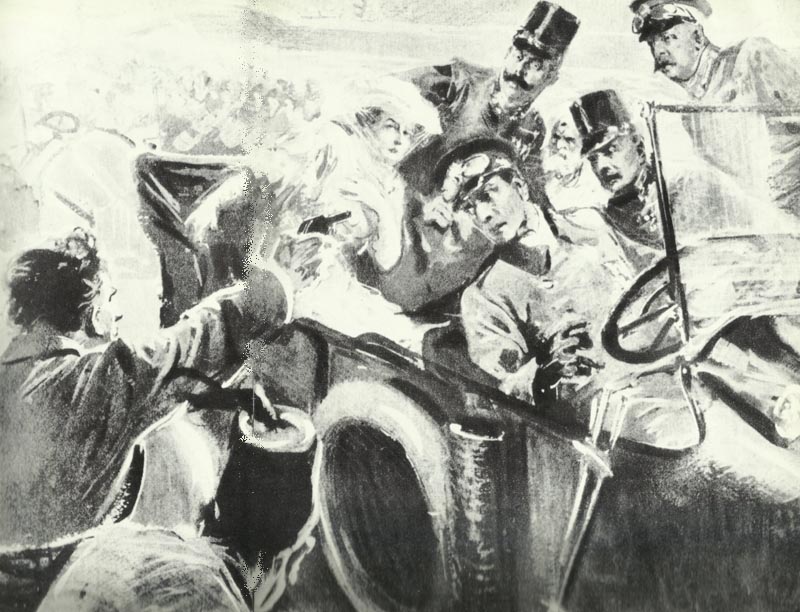
The Sarajevo murder was an incident which, under more normal international circumstances, could not have provoked such historical upheavals.
But in the early summer of 1914 relations between the great European powers were so tense that the killing of the archduke by a Bosnian student, named Gavrilo Princip, led to the outbreak of World War One through a series of quick and irreversible steps – the Austrian ultimatum to Serbia on 23rd July, her declaration of war on 28th July, Russian mobilization, Germany’s declaration of war on Russia on 1st August, and on France on 3rd August, and Great Britain’s declaration of war against Germany on 4th August.
The great powers had been elaborating plans for mobilizing mass armies ever since the Franco-German war of 1870-71. As usual, men prepared for the last military conflict instead of for the next one. The general staffs all assumed that the coming struggle would be decided by the first engagements on the frontiers, as had happened in 1870, and each general staff aimed to get its blow in first. Yet they were all terrified that the other side might beat them to it. Each one of them attributed to others a speed and flexibility which they knew they did not possess themselves. The deterrent of the overwhelming blow put the generals in a panic instead of giving them security. Such is the usual way with deterrents.
The strategies for mobilization were all according to detailed train time-tables, accurately determined through the years. As soon as the alert received, millions of reservists would arrive at their barracks. Thousands of trains would be put together and would proceed every single day to their designated targets. The time-tables were strict and might not be modified without several weeks of planning. Casino Games explained.
Germany and France both had just one strategy for mobilization – both equally moved, needless to say, versus the opponent. Russia and Austria-Hungary got different strategies: the Russian either for general mobilization versus simultaneously against Germany and Austria-Hungary or for partial mobilization versus Austria-Hungary only; the Austrians against Serbia, Italy, or Russia. If one of these strategies did start to run, it would make the change to a different strategy impossible. The time-tables could hardly be modified immediately.
This is the way to one of the deadliest conflicts in history. This scale of human loss had never been seen before – more than 14 million soldiers and civilians were killed, and a further 21 million troops were wounded during the four years of stagnant trench warfare and in failed attacks.
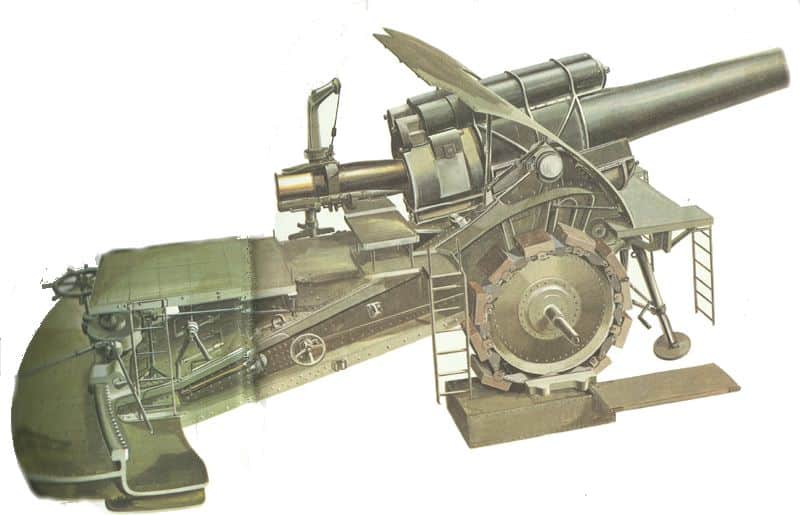
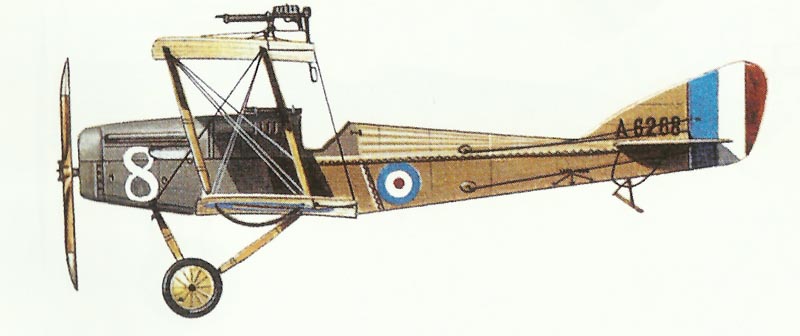
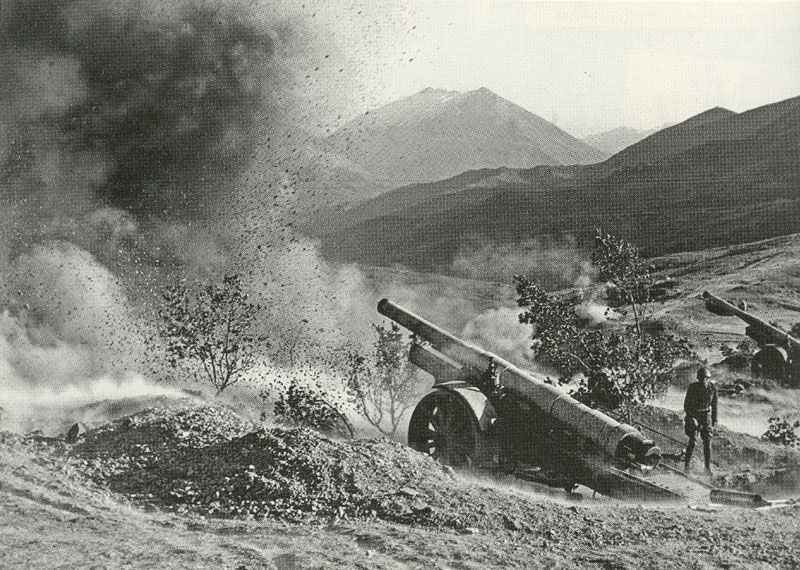
It was also the first time that many of the military technologies we now take for granted were employed, including heavy bombers and tanks. Yet even these were overshadowed by more established weapons such as machine-guns and artillery, the most lethal weapon of all.
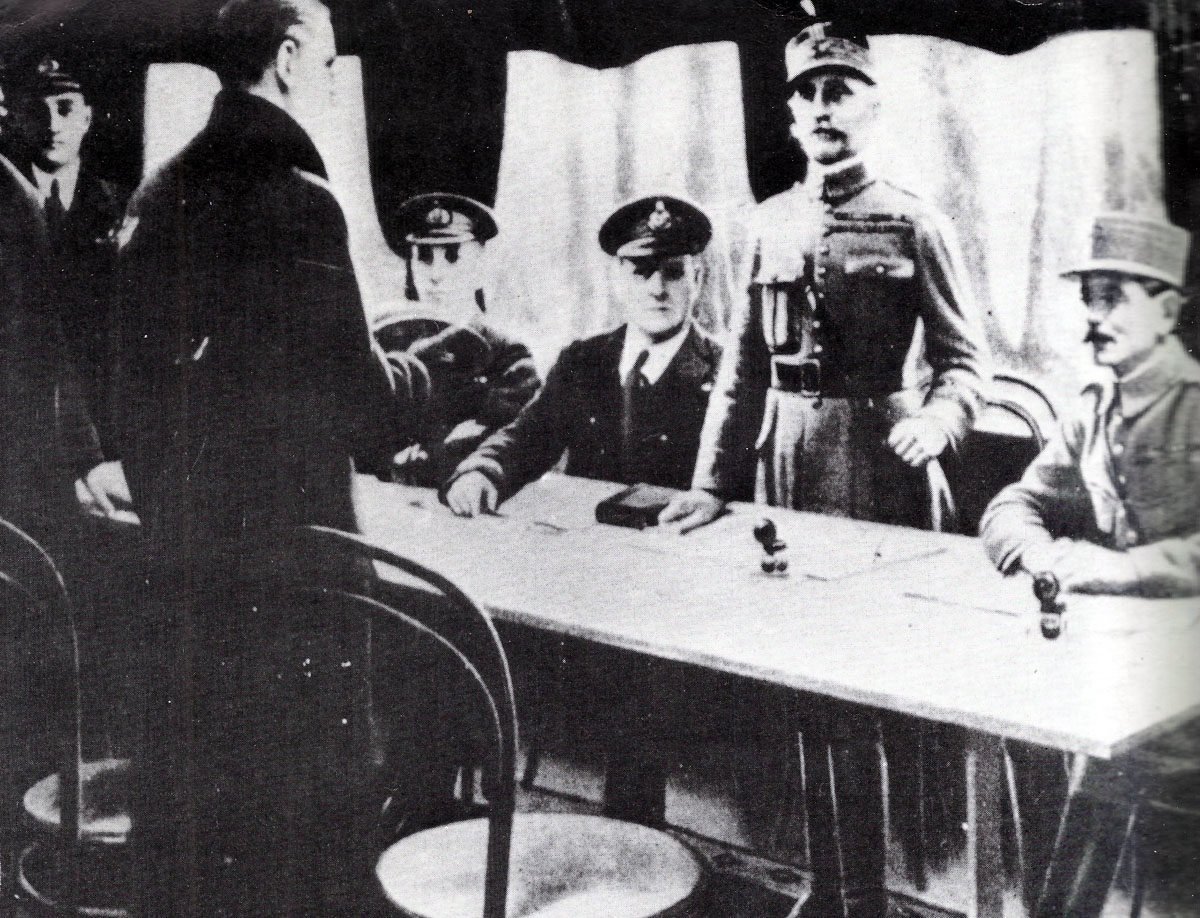
The armistice in 1918 also signaled the end of the existing Europe; the conflict had caused the death of three powers: the Austro-Hungarian, German, and Russian – and saw the appearance of the U.S.A. as a major worldwide power. Nevertheless, the peace negotiations inserted the fundamentals for the outbreak of WW2.
The Diary will become a chronological history – day by day – of the conflict from the opening shots at Sarajevo in June 1914 to the armistice in November 1918. All the major war theaters are covered, as is the fighting in the air and at sea.