
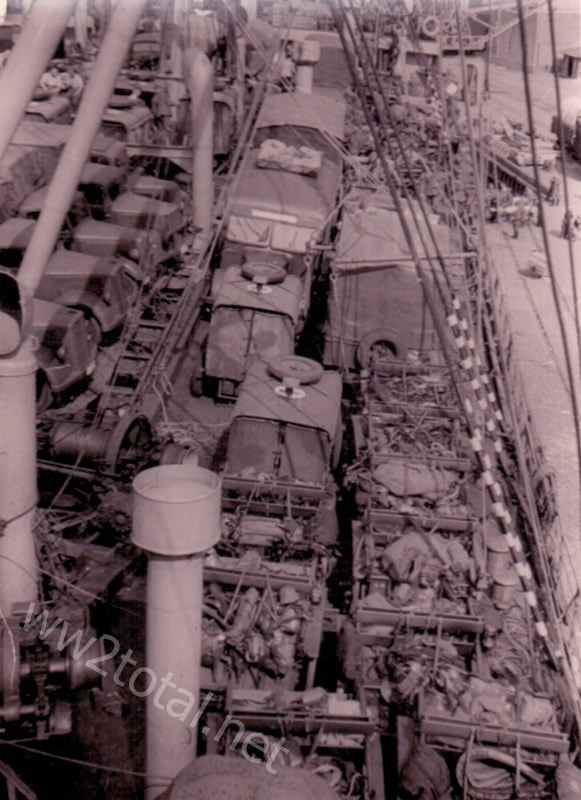
Sea transport to Norway.
Transport of Troops and Supplies Between Germany and Norway (1940–1945)
After Germany invaded Norway on 9 April 1940 (Operation Weserübung), maintaining control of the country required a constant flow of troops, weapons, fuel, food, and construction materials from Germany. This logistical effort continued until Germany’s surrender in May 1945.
The Norwegian resistance ended on 10 June 1940, and the occupation lasted until 8 May 1945 .
Why Norway Was So Important
Norway held major strategic value for Nazi Germany:
– Secured access to Swedish iron ore shipments via Narvik.
– Provided naval and U‑boat bases closer to the Atlantic convoy routes.
– Extended German naval reach into the North Atlantic and Arctic.
The Allied loss of Norway in 1940 allowed German warships and U‑boats to operate much closer to Atlantic shipping lanes, significantly affecting the Battle of the Atlantic.
Main Transport Routes
1. Sea Transport (Primary Method)
The vast majority of troop and supply movements occurred by sea.
Key sea routes:
– Northern Germany (Kiel, Hamburg, Stettin)
– Denmark (after its occupation)
– Along the Skagerrak and Kattegat
– To Oslo, Bergen, Trondheim, and Narvik
The North Sea was Germany’s only direct maritime access to the Atlantic, making it strategically vital throughout the war.
Transport ships were typically escorted by:
– Destroyers
– Torpedo boats
– Minesweepers
– Later, air cover from the Luftwaffe
Despite Allied naval and air attacks, Germany successfully moved large occupation forces. At times, more than 300,000 German troops were stationed in Norway.
2. Coastal Convoys (Inside Norway)
Once supplies reached Norway, they were distributed mainly by:
– Coastal shipping along Norway’s long fjord-indented coastline
– Smaller cargo vessels and naval auxiliaries
– Protected convoys to reduce vulnerability
German destroyers such as Z9 Wolfgang Zenker participated in the Norwegian Campaign before being lost in April 1940 during the Second Battle of Narvik.
3. Rail and Road Networks
After 1940, Germany invested heavily in:
– Expanding Norwegian railways
– Building military roads and airfields
– Constructing coastal fortifications (Atlantic Wall extensions)

These infrastructure projects required constant material shipments from Germany.
4. Air Transport
Air transport was used for:
– Rapid deployment of elite units
– Movement of officers and specialists
– Emergency resupply in northern Norway and Finland
However, airlift capacity was limited compared to sea transport.
Allied Interference
The transport system was under continuous pressure from:
– British submarines
– Royal Navy surface raiders
– RAF and later USAAF bombing missions
– Norwegian resistance sabotage
Convoys in the North Sea and along the Norwegian coast were frequent targets, making supply lines costly and dangerous.
Scale of the Logistical Effort
The occupation of Norway became a long-term logistical burden:
– Hundreds of thousands of troops required food, fuel, and equipment.
– Massive coastal artillery batteries and U‑boat bases had to be supplied.
– Northern Norway operations linked to Finland and the Soviet front required additional logistics.
Conclusion
From 1940 to 1945, Germany maintained one of its largest overseas occupation forces in Norway. The transport system relied primarily on:
– Heavy maritime shipping across the North Sea
– Protected coastal convoys
– Expanding rail infrastructure
– Limited but strategic air transport
Despite constant Allied pressure, Germany successfully sustained its Norwegian garrison until the end of the war in Europe in May 1945. However, the effort tied down significant naval, air, and ground resources that could not be used elsewhere—making Norway both a strategic asset and a logistical drain for Germany.
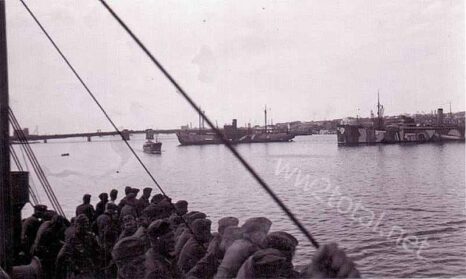
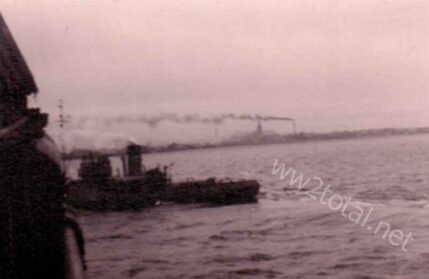
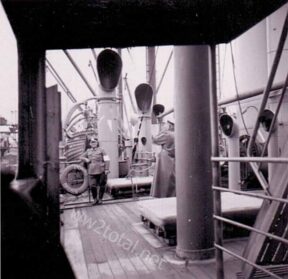
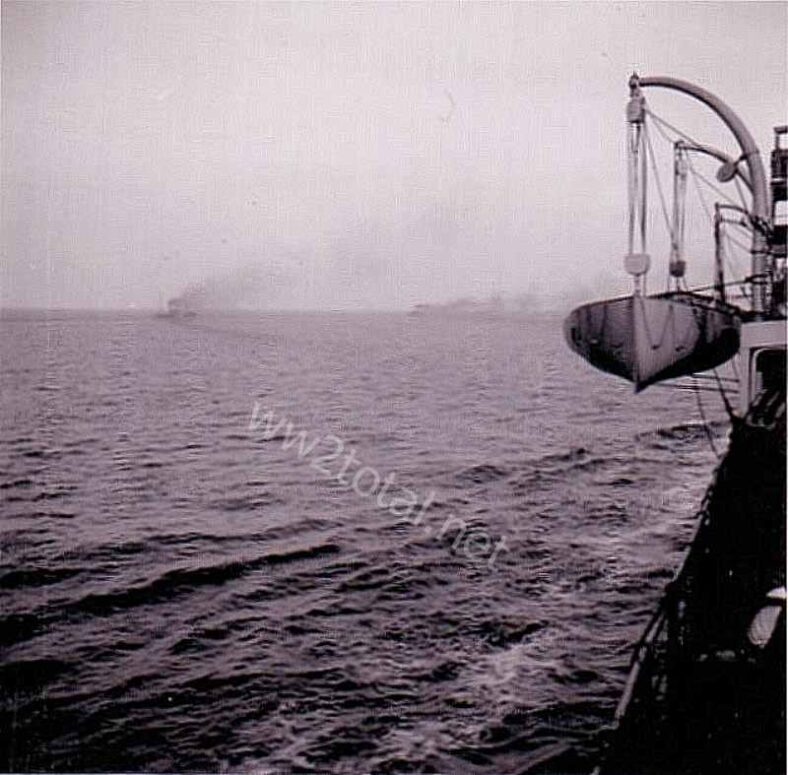
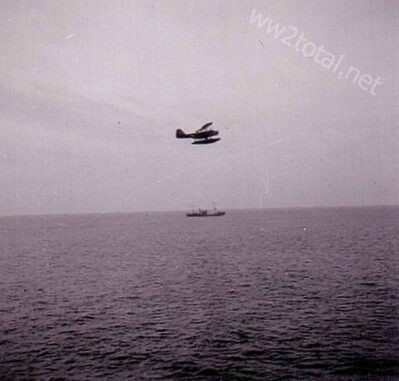
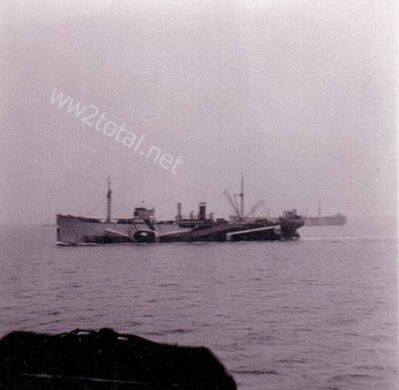
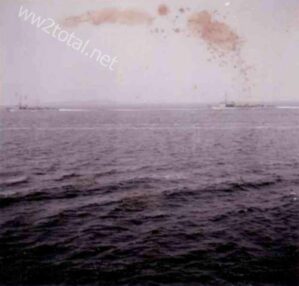
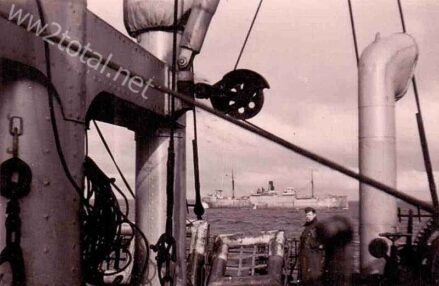
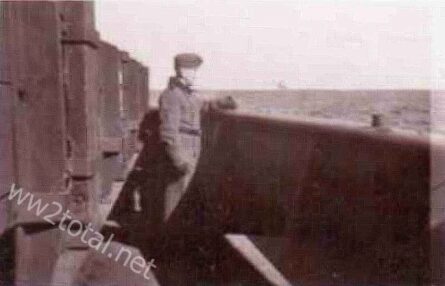
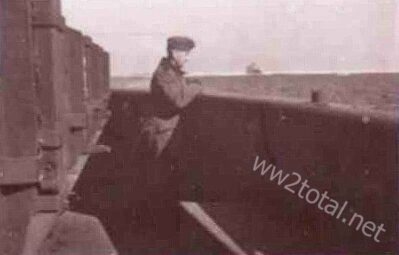
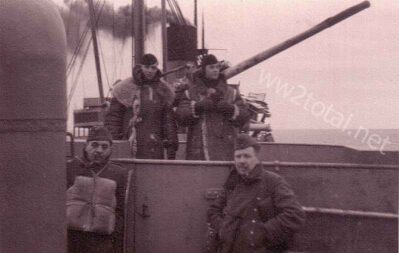
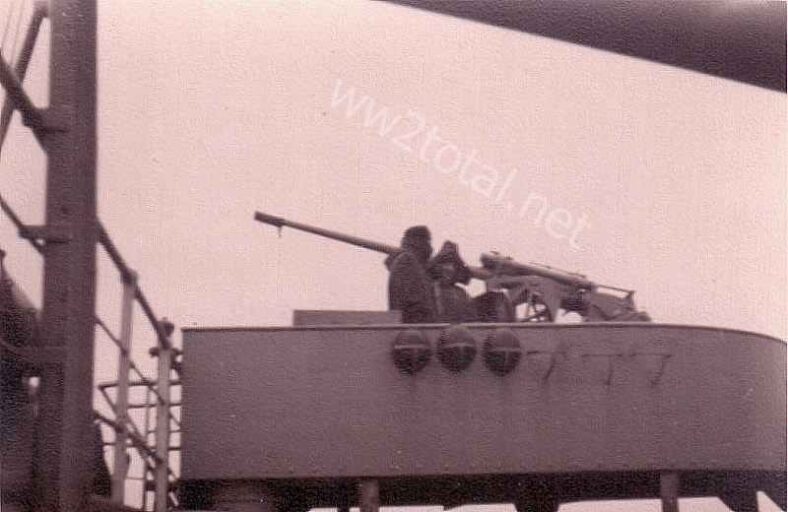
These pictures were taken during the sea transport of the German 214th Infantry division to Norway.
Please click to enlarge on one of the pictures.
 Previous page: Shipping to Norway
 Next page: Oslo 1940